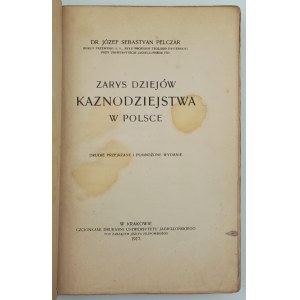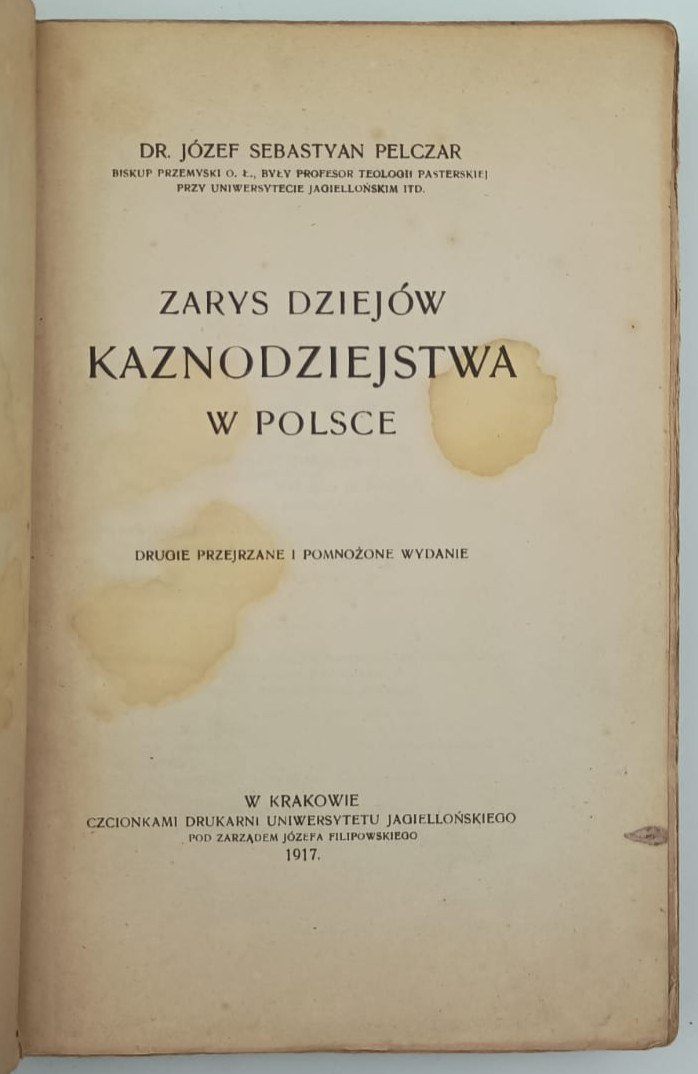
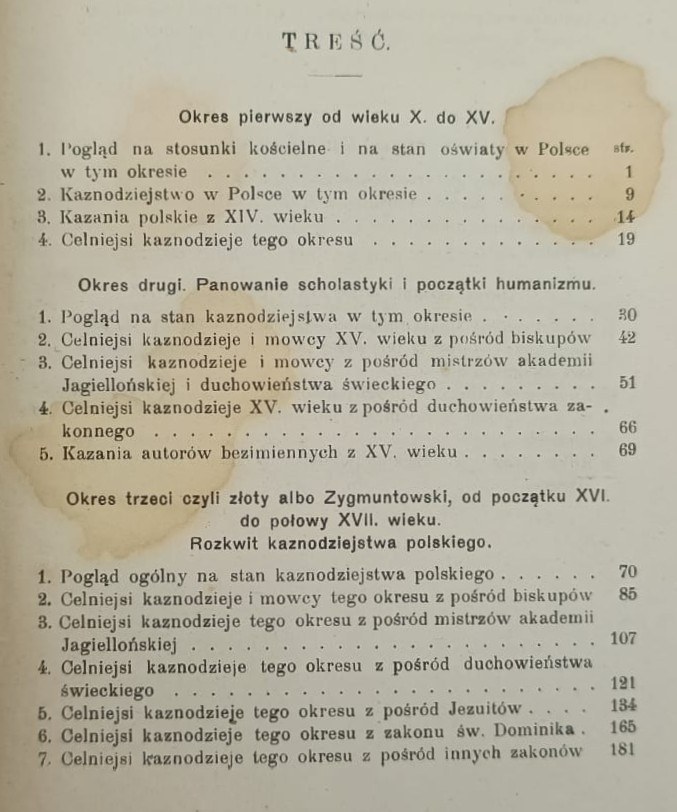
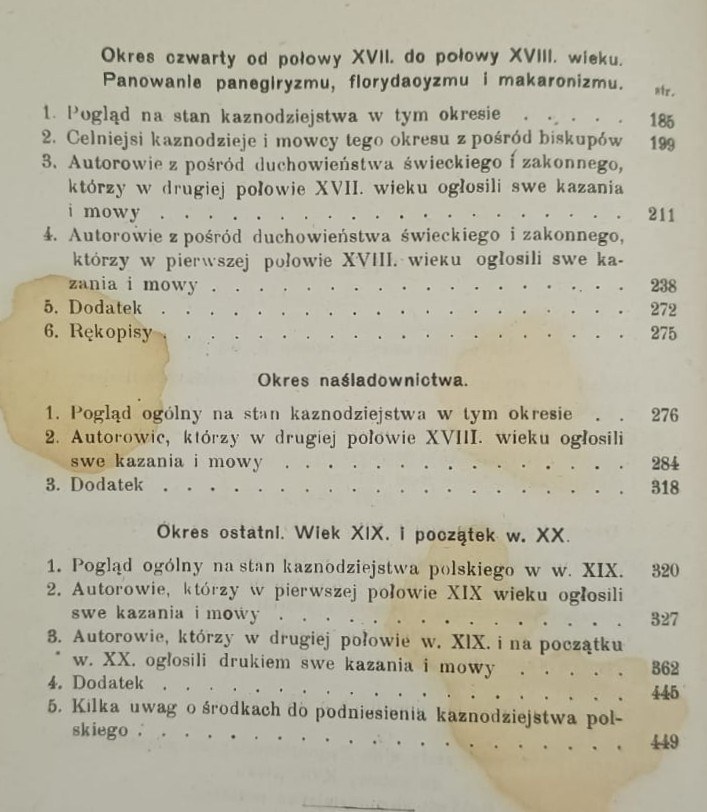
An overview of the development of Polish homiletics. Covers the period from the Middle Ages (Latin and early Polish sermons), through the Renaissance (Piotr Skarga), the Baroque, the Saxon era, to the 19th century, indicating the strong connection of preaching with culture and history.
The main stages and currents of preaching in Poland:
- The Middle Ages: Beginnings of preaching related to Christianization, dominance of Latin language, first texts in Polish (e.g. Sermons of the Holy Cross).
- Renaissance and Reformation: Development of preaching in the national language, high artistic level of sermons, activity of Peter Skarga, influence of Reformation and Counter-Reformation.
- Baroque: Preaching full of pathos and allegory, strongly connected with Baroque piety, development of occasional and funeral preaching.
- Saxon and Stanislavic times: Varied level of preaching, from Baroque splendor to Enlightenment influences, striving to improve morals.
- 19th century: Patriotic and social preaching during the Partitions, the role of preachers in maintaining national identity.
- Prominent representatives:
- Peter Skarga (Renaissance) - author of the famous Sejm Sermons.
- Baroque and Enlightenment preachers (including Jakub Wujek, Fabian Birkowski).
Pelczar's work emphasizes that Polish preaching has always been closely connected with the Catholic Church and was often an important part of the struggle to preserve the faith and Polishness.477 pages25 x 35 cm